Buy designinwhite.eu ?
We are moving the project
designinwhite.eu .
Are you interested in purchasing the domain
designinwhite.eu ?
domain@kv-gmbh.de · 0541-91531010
Buy designinwhite.eu ?
What are similarity ratios?
Similarity ratios are ratios that compare the corresponding sides of two similar figures. They help us understand the relationship between the sides of similar shapes. The ratio of corresponding sides in similar figures is always the same, which means that if you know the ratio of one pair of sides, you can use it to find the ratio of other pairs of sides. Similarity ratios are important in geometry and are used to solve problems involving similar figures. **
What is the difference between similarity theorem 1 and similarity theorem 2?
Similarity theorem 1, also known as the Angle-Angle (AA) similarity theorem, states that if two angles of one triangle are congruent to two angles of another triangle, then the triangles are similar. On the other hand, similarity theorem 2, also known as the Side-Angle-Side (SAS) similarity theorem, states that if two sides of one triangle are proportional to two sides of another triangle and the included angles are congruent, then the triangles are similar. The main difference between the two theorems is the criteria for establishing similarity - AA theorem focuses on angle congruence, while SAS theorem focuses on both side proportionality and angle congruence. **

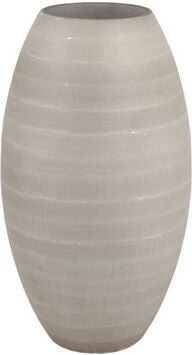
Similar search terms for Similarity
Top-Angebote
Products related to Similarity:
-
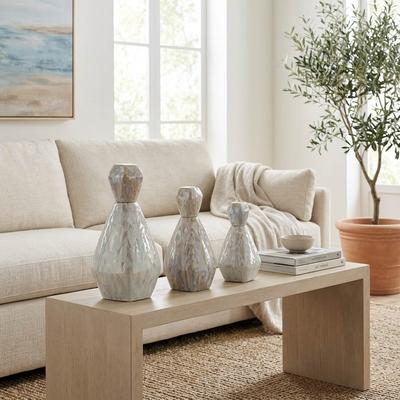
Sagebrook Home Stoneware Decorative Vases Contemporary Minimalist Sleek (Set of 3)Bring artful sophistication to your home or office with this set of 3 decorative vases expertly crafted from stoneware and ceramic for long-lasting style and quality.79,49 $*Shipping: 0,00 $Secure redirect to the provider
-
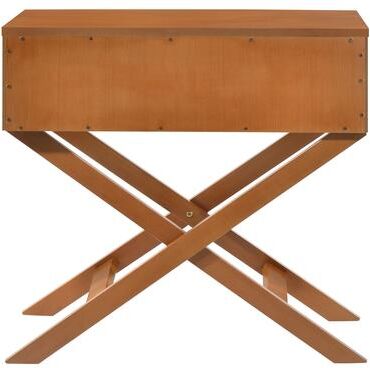
Elegant Oak Contemporary Nightstand"Nightstand dimensions: 25""H x 27""W x 16""D Includes a single drawer for convenient storage Croc textured drawer front adds a stylish accent Assembly is required for personalized setup Modern design enhances any bedroom decor effortlessly"187,99 $*Shipping: 0,00 $Secure redirect to the provider
-
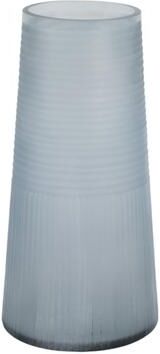
Sagebrook Home Modern Aluminum & Iron Decorative Vase - Sleek Contemporary Metal AccentThis will be a perfect addition to add to your home decor, also a perfect gift for a loved one. Can be added to your table, console or bookcase for a distinctive style to match any decor.221,99 $*Shipping: 0,00 $Secure redirect to the provider

-
How can the similarity factor for determining the similarity of triangles be calculated?
The similarity factor for determining the similarity of triangles can be calculated by comparing the corresponding sides of the two triangles. If the ratio of the lengths of the corresponding sides of the two triangles is the same, then the triangles are similar. This ratio can be calculated by dividing the length of one side of a triangle by the length of the corresponding side of the other triangle. If all three ratios of corresponding sides are equal, then the triangles are similar. This is known as the similarity factor and is used to determine the similarity of triangles. **
-
How can one calculate the similarity factor to determine the similarity of triangles?
The similarity factor can be calculated by comparing the corresponding sides of two triangles. To do this, one can divide the length of one side of the first triangle by the length of the corresponding side of the second triangle. This process is repeated for all three pairs of corresponding sides. If the ratios of the corresponding sides are equal, then the triangles are similar, and the similarity factor will be 1. If the ratios are not equal, the similarity factor will be the ratio of the two triangles' areas. **
-
What is similarity in mathematics?
In mathematics, similarity refers to the relationship between two objects or shapes that have the same shape but are not necessarily the same size. This means that the objects are proportional to each other, with corresponding angles being equal and corresponding sides being in the same ratio. Similarity is often used in geometry to compare and analyze shapes, allowing for the transfer of properties and measurements from one shape to another. **
-
What is the similarity ratio?
The similarity ratio is a comparison of the corresponding sides of two similar figures. It is used to determine how the dimensions of one figure compare to the dimensions of another figure when they are similar. The ratio is calculated by dividing the length of a side of one figure by the length of the corresponding side of the other figure. This ratio remains constant for all pairs of corresponding sides in similar figures. **


Do you see the similarity?
Yes, I see the similarity between the two concepts. Both share common characteristics and features that make them comparable. The similarities can be observed in their structure, function, and behavior. These similarities help in understanding and drawing parallels between the two concepts. **
'How do you prove similarity?'
Similarity between two objects can be proven using various methods. One common method is to show that the corresponding angles of the two objects are congruent, and that the corresponding sides are in proportion to each other. Another method is to use transformations such as dilation, where one object can be scaled up or down to match the other object. Additionally, if the ratio of the lengths of corresponding sides is equal, then the two objects are similar. These methods can be used to prove similarity in geometric figures such as triangles or other polygons. **
Top-Angebote
Products related to Similarity:
-
Sagebrook Home Glass Vase Sleek Silhouette Contemporary Style Elegant interiorsBring style and charm to any space with this modern glass vase, a perfect decor accent for your home or office. Crafted from premium glass, this modern vase reflects glam design influences that instantly uplift your environment.68,49 $*Shipping: 0,00 $Secure redirect to the provider
-
Sagebrook Home Stoneware Decorative Vases Contemporary Minimalist Sleek (Set of 3)Bring artful sophistication to your home or office with this set of 3 decorative vases expertly crafted from stoneware and ceramic for long-lasting style and quality.79,49 $*Shipping: 0,00 $Secure redirect to the provider
-
Elegant Oak Contemporary Nightstand"Nightstand dimensions: 25""H x 27""W x 16""D Includes a single drawer for convenient storage Croc textured drawer front adds a stylish accent Assembly is required for personalized setup Modern design enhances any bedroom decor effortlessly"187,99 $*Shipping: 0,00 $Secure redirect to the provider
-
What are similarity ratios?
Similarity ratios are ratios that compare the corresponding sides of two similar figures. They help us understand the relationship between the sides of similar shapes. The ratio of corresponding sides in similar figures is always the same, which means that if you know the ratio of one pair of sides, you can use it to find the ratio of other pairs of sides. Similarity ratios are important in geometry and are used to solve problems involving similar figures. **
-
What is the difference between similarity theorem 1 and similarity theorem 2?
Similarity theorem 1, also known as the Angle-Angle (AA) similarity theorem, states that if two angles of one triangle are congruent to two angles of another triangle, then the triangles are similar. On the other hand, similarity theorem 2, also known as the Side-Angle-Side (SAS) similarity theorem, states that if two sides of one triangle are proportional to two sides of another triangle and the included angles are congruent, then the triangles are similar. The main difference between the two theorems is the criteria for establishing similarity - AA theorem focuses on angle congruence, while SAS theorem focuses on both side proportionality and angle congruence. **
-
How can the similarity factor for determining the similarity of triangles be calculated?
The similarity factor for determining the similarity of triangles can be calculated by comparing the corresponding sides of the two triangles. If the ratio of the lengths of the corresponding sides of the two triangles is the same, then the triangles are similar. This ratio can be calculated by dividing the length of one side of a triangle by the length of the corresponding side of the other triangle. If all three ratios of corresponding sides are equal, then the triangles are similar. This is known as the similarity factor and is used to determine the similarity of triangles. **
-
How can one calculate the similarity factor to determine the similarity of triangles?
The similarity factor can be calculated by comparing the corresponding sides of two triangles. To do this, one can divide the length of one side of the first triangle by the length of the corresponding side of the second triangle. This process is repeated for all three pairs of corresponding sides. If the ratios of the corresponding sides are equal, then the triangles are similar, and the similarity factor will be 1. If the ratios are not equal, the similarity factor will be the ratio of the two triangles' areas. **
Similar search terms for Similarity
-
Sagebrook Home Modern Aluminum & Iron Decorative Vase - Sleek Contemporary Metal AccentThis will be a perfect addition to add to your home decor, also a perfect gift for a loved one. Can be added to your table, console or bookcase for a distinctive style to match any decor.221,99 $*Shipping: 0,00 $Secure redirect to the provider
-
Uplift Essentials Elegant Floral Engraved Bracelet Watch Luxury Fashion Dress Wristwatch For Sophisticated Women gold"Embrace a touch of botanical beauty and highfashion luxury with a timepiece that celebrates feminine detail. This premium luxury bracelet watch is a masterclass in ""Romantic Minimalism,"" featuring an exquisitely engraved band that turns a..."68,97 $*Shipping: 0,00 $Secure redirect to the provider
-
Sagebrook Home "4"" Glass Orb Contemporary Grey and Brown Decorative Table Accent for Home or Office Decor Sophisticated Creative"Just roll with it! This round glass orb will add an elegant and interesting look to your home or office space. Display it on its own or add it with other items to create a unique and creative decorative accent.66,59 $*Shipping: 0,00 $Secure redirect to the provider
-
What is similarity in mathematics?
In mathematics, similarity refers to the relationship between two objects or shapes that have the same shape but are not necessarily the same size. This means that the objects are proportional to each other, with corresponding angles being equal and corresponding sides being in the same ratio. Similarity is often used in geometry to compare and analyze shapes, allowing for the transfer of properties and measurements from one shape to another. **
-
What is the similarity ratio?
The similarity ratio is a comparison of the corresponding sides of two similar figures. It is used to determine how the dimensions of one figure compare to the dimensions of another figure when they are similar. The ratio is calculated by dividing the length of a side of one figure by the length of the corresponding side of the other figure. This ratio remains constant for all pairs of corresponding sides in similar figures. **
-
Do you see the similarity?
Yes, I see the similarity between the two concepts. Both share common characteristics and features that make them comparable. The similarities can be observed in their structure, function, and behavior. These similarities help in understanding and drawing parallels between the two concepts. **
-
'How do you prove similarity?'
Similarity between two objects can be proven using various methods. One common method is to show that the corresponding angles of the two objects are congruent, and that the corresponding sides are in proportion to each other. Another method is to use transformations such as dilation, where one object can be scaled up or down to match the other object. Additionally, if the ratio of the lengths of corresponding sides is equal, then the two objects are similar. These methods can be used to prove similarity in geometric figures such as triangles or other polygons. **
* All prices are inclusive of VAT and, if applicable, plus shipping costs. The offer information is based on the details provided by the respective shop and is updated through automated processes. Real-time updates do not occur, so deviations can occur in individual cases. ** Note: Parts of this content were created by AI.