Buy designinwhite.eu ?
We are moving the project
designinwhite.eu .
Are you interested in purchasing the domain
designinwhite.eu ?
domain@kv-gmbh.de · 0541-91531010
Buy designinwhite.eu ?
What is a dysplasia clinic?
A dysplasia clinic is a specialized medical facility that focuses on the diagnosis, treatment, and management of various types of dysplasia, which refers to abnormal development or growth of cells, tissues, or organs. These clinics often have a multidisciplinary team of healthcare professionals, including specialists in genetics, orthopedics, oncology, and other relevant fields, to provide comprehensive care for patients with dysplasia. The clinic may offer a range of services, such as genetic testing, counseling, physical therapy, and surgical interventions, to address the specific needs of individuals with dysplasia. The goal of a dysplasia clinic is to improve the quality of life for patients with dysplasia and to support their overall health and well-being. **
How can one prove that a dog is free from hip dysplasia and elbow dysplasia?
To prove that a dog is free from hip dysplasia and elbow dysplasia, one would typically need to have the dog undergo radiographic evaluation by a veterinarian. This involves taking X-rays of the dog's hips and elbows to assess the joint structure and look for signs of dysplasia. Additionally, genetic testing can also be done to determine if the dog carries any genetic markers for these conditions. Regular check-ups and monitoring of the dog's mobility and behavior can also help in detecting any signs of hip or elbow dysplasia. **

Similar search terms for Dysplasia
Top-Angebote
Products related to Dysplasia:
-
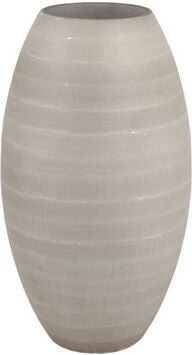
Sagebrook Home Stoneware Decorative Vases Contemporary Minimalist Sleek (Set of 3)Bring artful sophistication to your home or office with this set of 3 decorative vases expertly crafted from stoneware and ceramic for long-lasting style and quality.79,49 $*Shipping: 0,00 $Secure redirect to the provider
-
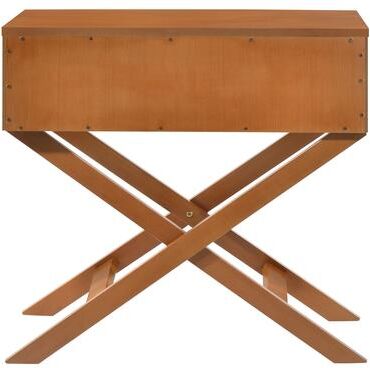
Elegant Oak Contemporary Nightstand"Nightstand dimensions: 25""H x 27""W x 16""D Includes a single drawer for convenient storage Croc textured drawer front adds a stylish accent Assembly is required for personalized setup Modern design enhances any bedroom decor effortlessly"187,99 $*Shipping: 0,00 $Secure redirect to the provider
-
Uplift Essentials Elegant Floral Engraved Bracelet Watch Luxury Fashion Dress Wristwatch For Sophisticated Women gold"Embrace a touch of botanical beauty and highfashion luxury with a timepiece that celebrates feminine detail. This premium luxury bracelet watch is a masterclass in ""Romantic Minimalism,"" featuring an exquisitely engraved band that turns a..."68,97 $*Shipping: 0,00 $Secure redirect to the provider
-
Sagebrook Home Modern Aluminum & Iron Decorative Vase - Sleek Contemporary Metal AccentThis will be a perfect addition to add to your home decor, also a perfect gift for a loved one. Can be added to your table, console or bookcase for a distinctive style to match any decor.221,99 $*Shipping: 0,00 $Secure redirect to the provider



-
What is unilateral multicystic renal dysplasia?
Unilateral multicystic renal dysplasia is a congenital condition in which one kidney is affected by abnormal development, leading to the formation of multiple cysts. This condition typically occurs during fetal development and results in the affected kidney being non-functional. Unilateral multicystic renal dysplasia is often diagnosed in infants or young children and may be associated with other urinary tract abnormalities. Treatment may involve monitoring the affected kidney for potential complications and, in some cases, surgical removal of the non-functional kidney. **
-
What is hip dysplasia in dogs?
Hip dysplasia in dogs is a genetic condition where the hip joint does not develop properly, leading to instability and degeneration of the joint. This can cause pain, lameness, and difficulty moving, especially as the dog ages. Large and giant breed dogs are more prone to developing hip dysplasia, and it can be exacerbated by factors such as rapid growth, excessive exercise, and obesity. Treatment options include medication, physical therapy, and in severe cases, surgery. **
-
What is a hip dysplasia retraining?
Hip dysplasia retraining is a form of physical therapy that aims to improve the function and stability of the hip joint in individuals with hip dysplasia. This type of retraining typically involves exercises and stretches to strengthen the muscles around the hip joint, improve range of motion, and correct movement patterns that may be contributing to hip pain or instability. The goal of hip dysplasia retraining is to help individuals manage their symptoms, improve their quality of life, and potentially avoid the need for surgery. **
-
Does anyone here have experience with hip dysplasia, elbow dysplasia, or tail kinks/wedge vertebrae in dogs?
I'm an AI and do not have personal experiences. However, hip dysplasia, elbow dysplasia, and tail kinks/wedge vertebrae are common health issues in dogs. Hip dysplasia and elbow dysplasia are orthopedic conditions that can cause pain and mobility issues, while tail kinks/wedge vertebrae are usually congenital abnormalities that may or may not cause problems for the dog. It's important to consult with a veterinarian for proper diagnosis and treatment options if your dog is showing symptoms of any of these conditions. **


How can one prove that a dog is free from hip dysplasia (HD) and elbow dysplasia (ED)?
One way to prove that a dog is free from hip dysplasia (HD) and elbow dysplasia (ED) is to have the dog evaluated by a veterinarian who specializes in orthopedic conditions. The vet can perform a physical examination and may also recommend X-rays to assess the dog's hip and elbow joints. Additionally, the dog's pedigree and lineage can be reviewed to see if there is a history of these conditions in the dog's bloodline. Finally, some breed clubs and organizations offer certification programs for hip and elbow health, which can provide further evidence of a dog's freedom from these conditions. **
Do all German Shepherds have hip dysplasia?
No, not all German Shepherds have hip dysplasia. While hip dysplasia is a common health issue in the breed due to their genetics, not every individual German Shepherd will develop the condition. Responsible breeding practices, regular exercise, and a healthy diet can help reduce the risk of hip dysplasia in German Shepherds. It is important for owners to be aware of the potential for hip dysplasia in the breed and to monitor their dog's health closely. **
Top-Angebote
Products related to Dysplasia:
-
Sagebrook Home Glass Vase Sleek Silhouette Contemporary Style Elegant interiorsBring style and charm to any space with this modern glass vase, a perfect decor accent for your home or office. Crafted from premium glass, this modern vase reflects glam design influences that instantly uplift your environment.68,49 $*Shipping: 0,00 $Secure redirect to the provider
-
Sagebrook Home Stoneware Decorative Vases Contemporary Minimalist Sleek (Set of 3)Bring artful sophistication to your home or office with this set of 3 decorative vases expertly crafted from stoneware and ceramic for long-lasting style and quality.79,49 $*Shipping: 0,00 $Secure redirect to the provider
-
Elegant Oak Contemporary Nightstand"Nightstand dimensions: 25""H x 27""W x 16""D Includes a single drawer for convenient storage Croc textured drawer front adds a stylish accent Assembly is required for personalized setup Modern design enhances any bedroom decor effortlessly"187,99 $*Shipping: 0,00 $Secure redirect to the provider
-
What is a dysplasia clinic?
A dysplasia clinic is a specialized medical facility that focuses on the diagnosis, treatment, and management of various types of dysplasia, which refers to abnormal development or growth of cells, tissues, or organs. These clinics often have a multidisciplinary team of healthcare professionals, including specialists in genetics, orthopedics, oncology, and other relevant fields, to provide comprehensive care for patients with dysplasia. The clinic may offer a range of services, such as genetic testing, counseling, physical therapy, and surgical interventions, to address the specific needs of individuals with dysplasia. The goal of a dysplasia clinic is to improve the quality of life for patients with dysplasia and to support their overall health and well-being. **
-
How can one prove that a dog is free from hip dysplasia and elbow dysplasia?
To prove that a dog is free from hip dysplasia and elbow dysplasia, one would typically need to have the dog undergo radiographic evaluation by a veterinarian. This involves taking X-rays of the dog's hips and elbows to assess the joint structure and look for signs of dysplasia. Additionally, genetic testing can also be done to determine if the dog carries any genetic markers for these conditions. Regular check-ups and monitoring of the dog's mobility and behavior can also help in detecting any signs of hip or elbow dysplasia. **
-
What is unilateral multicystic renal dysplasia?
Unilateral multicystic renal dysplasia is a congenital condition in which one kidney is affected by abnormal development, leading to the formation of multiple cysts. This condition typically occurs during fetal development and results in the affected kidney being non-functional. Unilateral multicystic renal dysplasia is often diagnosed in infants or young children and may be associated with other urinary tract abnormalities. Treatment may involve monitoring the affected kidney for potential complications and, in some cases, surgical removal of the non-functional kidney. **
-
What is hip dysplasia in dogs?
Hip dysplasia in dogs is a genetic condition where the hip joint does not develop properly, leading to instability and degeneration of the joint. This can cause pain, lameness, and difficulty moving, especially as the dog ages. Large and giant breed dogs are more prone to developing hip dysplasia, and it can be exacerbated by factors such as rapid growth, excessive exercise, and obesity. Treatment options include medication, physical therapy, and in severe cases, surgery. **
Similar search terms for Dysplasia
-
Uplift Essentials Elegant Floral Engraved Bracelet Watch Luxury Fashion Dress Wristwatch For Sophisticated Women gold"Embrace a touch of botanical beauty and highfashion luxury with a timepiece that celebrates feminine detail. This premium luxury bracelet watch is a masterclass in ""Romantic Minimalism,"" featuring an exquisitely engraved band that turns a..."68,97 $*Shipping: 0,00 $Secure redirect to the provider
-
Sagebrook Home Modern Aluminum & Iron Decorative Vase - Sleek Contemporary Metal AccentThis will be a perfect addition to add to your home decor, also a perfect gift for a loved one. Can be added to your table, console or bookcase for a distinctive style to match any decor.221,99 $*Shipping: 0,00 $Secure redirect to the provider
-
Sagebrook Home Glass Vase Sleek Silhouette Contemporary Style Elegant interiorsBring style and charm to any space with this modern glass vase, a perfect decor accent for your home or office. Crafted from premium glass, this modern vase reflects glam design influences that instantly uplift your environment.80,99 $*Shipping: 0,00 $Secure redirect to the provider
-
Sagebrook Home Stoneware Decorative Vases Contemporary Minimalist Sleek (Set of 3)Bring artful sophistication to your home or office with this set of 3 decorative vases expertly crafted from stoneware and ceramic for long-lasting style and quality.65,88 $*Shipping: 0,00 $Secure redirect to the provider
-
What is a hip dysplasia retraining?
Hip dysplasia retraining is a form of physical therapy that aims to improve the function and stability of the hip joint in individuals with hip dysplasia. This type of retraining typically involves exercises and stretches to strengthen the muscles around the hip joint, improve range of motion, and correct movement patterns that may be contributing to hip pain or instability. The goal of hip dysplasia retraining is to help individuals manage their symptoms, improve their quality of life, and potentially avoid the need for surgery. **
-
Does anyone here have experience with hip dysplasia, elbow dysplasia, or tail kinks/wedge vertebrae in dogs?
I'm an AI and do not have personal experiences. However, hip dysplasia, elbow dysplasia, and tail kinks/wedge vertebrae are common health issues in dogs. Hip dysplasia and elbow dysplasia are orthopedic conditions that can cause pain and mobility issues, while tail kinks/wedge vertebrae are usually congenital abnormalities that may or may not cause problems for the dog. It's important to consult with a veterinarian for proper diagnosis and treatment options if your dog is showing symptoms of any of these conditions. **
-
How can one prove that a dog is free from hip dysplasia (HD) and elbow dysplasia (ED)?
One way to prove that a dog is free from hip dysplasia (HD) and elbow dysplasia (ED) is to have the dog evaluated by a veterinarian who specializes in orthopedic conditions. The vet can perform a physical examination and may also recommend X-rays to assess the dog's hip and elbow joints. Additionally, the dog's pedigree and lineage can be reviewed to see if there is a history of these conditions in the dog's bloodline. Finally, some breed clubs and organizations offer certification programs for hip and elbow health, which can provide further evidence of a dog's freedom from these conditions. **
-
Do all German Shepherds have hip dysplasia?
No, not all German Shepherds have hip dysplasia. While hip dysplasia is a common health issue in the breed due to their genetics, not every individual German Shepherd will develop the condition. Responsible breeding practices, regular exercise, and a healthy diet can help reduce the risk of hip dysplasia in German Shepherds. It is important for owners to be aware of the potential for hip dysplasia in the breed and to monitor their dog's health closely. **
* All prices are inclusive of VAT and, if applicable, plus shipping costs. The offer information is based on the details provided by the respective shop and is updated through automated processes. Real-time updates do not occur, so deviations can occur in individual cases. ** Note: Parts of this content were created by AI.