Buy designinwhite.eu ?
We are moving the project
designinwhite.eu .
Are you interested in purchasing the domain
designinwhite.eu ?
domain@kv-gmbh.de · 0541-91531010
Buy designinwhite.eu ?
Is the pupillary distance important?
Yes, pupillary distance is important when getting prescription eyeglasses. It is the measurement of the distance between the pupils of the eyes and is used to ensure that the lenses are properly centered in front of the eyes. A correct pupillary distance measurement helps to ensure that the prescription lenses provide the best possible vision correction and comfort for the wearer. It is important to have an accurate pupillary distance measurement when ordering prescription eyeglasses to avoid any discomfort or vision issues. **
Does the pupillary distance remain the same?
No, the pupillary distance (PD) can change over time. It is the distance between the centers of the pupils of the eyes and can vary due to factors such as age, changes in vision, or certain medical conditions. It is important to have your PD measured regularly, especially when getting new eyeglasses, to ensure the correct fit and alignment of the lenses with your eyes. **

Similar search terms for Pupillary
Top-Angebote
Products related to Pupillary:
-
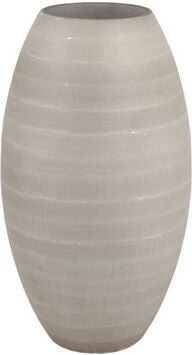
Sagebrook Home Stoneware Decorative Vases Contemporary Minimalist Sleek (Set of 3)Bring artful sophistication to your home or office with this set of 3 decorative vases expertly crafted from stoneware and ceramic for long-lasting style and quality.79,49 $*Shipping: 0,00 $Secure redirect to the provider
-
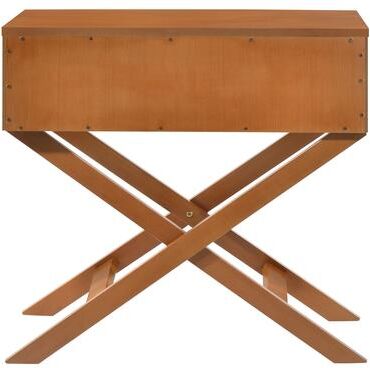
Elegant Oak Contemporary Nightstand"Nightstand dimensions: 25""H x 27""W x 16""D Includes a single drawer for convenient storage Croc textured drawer front adds a stylish accent Assembly is required for personalized setup Modern design enhances any bedroom decor effortlessly"187,99 $*Shipping: 0,00 $Secure redirect to the provider
-
Uplift Essentials Elegant Floral Engraved Bracelet Watch Luxury Fashion Dress Wristwatch For Sophisticated Women gold"Embrace a touch of botanical beauty and highfashion luxury with a timepiece that celebrates feminine detail. This premium luxury bracelet watch is a masterclass in ""Romantic Minimalism,"" featuring an exquisitely engraved band that turns a..."68,97 $*Shipping: 0,00 $Secure redirect to the provider



-
How do I measure the pupillary distance?
To measure your pupillary distance, you can use a ruler and a mirror. First, stand in front of the mirror and hold the ruler against your forehead. Close one eye and align the ruler's zero mark with the center of your open eye's pupil. Then, look straight ahead and measure the distance from the center of one pupil to the center of the other. This measurement is your pupillary distance. It's important to ensure the ruler is held straight and that you are looking straight ahead to get an accurate measurement. **
-
What is the tolerance of measuring pupillary distance?
The tolerance of measuring pupillary distance is typically around 2-3 millimeters. This means that measurements can vary slightly within this range and still be considered accurate. It is important to be as precise as possible when measuring pupillary distance to ensure proper alignment of eyeglasses or contact lenses for optimal vision correction. Any significant deviation outside of this tolerance range may result in discomfort or visual disturbances for the wearer. **
-
What is the pupillary distance (PD) for glasses?
The pupillary distance (PD) for glasses is the distance between the center of one pupil to the center of the other pupil, measured in millimeters. This measurement is important for ensuring that the optical center of the lenses aligns properly with the wearer's pupils, allowing for clear and comfortable vision. A correct PD measurement helps to reduce eye strain and ensure that the glasses provide the best possible vision correction. **
-
Does my eye doctor know my pupillary distance?
Yes, your eye doctor should know your pupillary distance. When you get an eye exam, the optometrist or ophthalmologist will measure your pupillary distance as part of the process of fitting you for glasses. This measurement is important for ensuring that your prescription lenses are properly centered in front of your eyes. If you are getting new glasses, your eye doctor will have your pupillary distance on file and can provide it to you upon request. **


What is the tolerance for deviations in pupillary distance?
The tolerance for deviations in pupillary distance is typically around 2-3mm. This means that the distance between the center of each pupil should ideally be within this range for accurate vision correction. Deviations beyond this tolerance can lead to discomfort, eye strain, and difficulty focusing. It is important to ensure an accurate pupillary distance measurement when getting prescription eyeglasses to optimize visual clarity and comfort. **
Is a small deviation in pupillary distance (PD) bad?
A small deviation in pupillary distance (PD) is not necessarily bad, as long as it falls within an acceptable range. However, a significant deviation in PD can lead to discomfort, eye strain, and potentially affect the accuracy of prescription eyewear. It is important to ensure that the PD measurement is as accurate as possible to optimize vision and comfort when wearing glasses or contact lenses. **
Top-Angebote
Products related to Pupillary:
-
Sagebrook Home Glass Vase Sleek Silhouette Contemporary Style Elegant interiorsBring style and charm to any space with this modern glass vase, a perfect decor accent for your home or office. Crafted from premium glass, this modern vase reflects glam design influences that instantly uplift your environment.68,49 $*Shipping: 0,00 $Secure redirect to the provider
-
Sagebrook Home Stoneware Decorative Vases Contemporary Minimalist Sleek (Set of 3)Bring artful sophistication to your home or office with this set of 3 decorative vases expertly crafted from stoneware and ceramic for long-lasting style and quality.79,49 $*Shipping: 0,00 $Secure redirect to the provider
-
Is the pupillary distance important?
Yes, pupillary distance is important when getting prescription eyeglasses. It is the measurement of the distance between the pupils of the eyes and is used to ensure that the lenses are properly centered in front of the eyes. A correct pupillary distance measurement helps to ensure that the prescription lenses provide the best possible vision correction and comfort for the wearer. It is important to have an accurate pupillary distance measurement when ordering prescription eyeglasses to avoid any discomfort or vision issues. **
-
Does the pupillary distance remain the same?
No, the pupillary distance (PD) can change over time. It is the distance between the centers of the pupils of the eyes and can vary due to factors such as age, changes in vision, or certain medical conditions. It is important to have your PD measured regularly, especially when getting new eyeglasses, to ensure the correct fit and alignment of the lenses with your eyes. **
-
How do I measure the pupillary distance?
To measure your pupillary distance, you can use a ruler and a mirror. First, stand in front of the mirror and hold the ruler against your forehead. Close one eye and align the ruler's zero mark with the center of your open eye's pupil. Then, look straight ahead and measure the distance from the center of one pupil to the center of the other. This measurement is your pupillary distance. It's important to ensure the ruler is held straight and that you are looking straight ahead to get an accurate measurement. **
-
What is the tolerance of measuring pupillary distance?
The tolerance of measuring pupillary distance is typically around 2-3 millimeters. This means that measurements can vary slightly within this range and still be considered accurate. It is important to be as precise as possible when measuring pupillary distance to ensure proper alignment of eyeglasses or contact lenses for optimal vision correction. Any significant deviation outside of this tolerance range may result in discomfort or visual disturbances for the wearer. **
Similar search terms for Pupillary
-
Elegant Oak Contemporary Nightstand"Nightstand dimensions: 25""H x 27""W x 16""D Includes a single drawer for convenient storage Croc textured drawer front adds a stylish accent Assembly is required for personalized setup Modern design enhances any bedroom decor effortlessly"187,99 $*Shipping: 0,00 $Secure redirect to the provider
-
Uplift Essentials Elegant Floral Engraved Bracelet Watch Luxury Fashion Dress Wristwatch For Sophisticated Women gold"Embrace a touch of botanical beauty and highfashion luxury with a timepiece that celebrates feminine detail. This premium luxury bracelet watch is a masterclass in ""Romantic Minimalism,"" featuring an exquisitely engraved band that turns a..."68,97 $*Shipping: 0,00 $Secure redirect to the provider
-
Sagebrook Home Modern Aluminum & Iron Decorative Vase - Sleek Contemporary Metal AccentThis will be a perfect addition to add to your home decor, also a perfect gift for a loved one. Can be added to your table, console or bookcase for a distinctive style to match any decor.221,99 $*Shipping: 0,00 $Secure redirect to the provider
-
Sagebrook Home Glass Vase Sleek Silhouette Contemporary Style Elegant interiorsBring style and charm to any space with this modern glass vase, a perfect decor accent for your home or office. Crafted from premium glass, this modern vase reflects glam design influences that instantly uplift your environment.80,99 $*Shipping: 0,00 $Secure redirect to the provider
-
What is the pupillary distance (PD) for glasses?
The pupillary distance (PD) for glasses is the distance between the center of one pupil to the center of the other pupil, measured in millimeters. This measurement is important for ensuring that the optical center of the lenses aligns properly with the wearer's pupils, allowing for clear and comfortable vision. A correct PD measurement helps to reduce eye strain and ensure that the glasses provide the best possible vision correction. **
-
Does my eye doctor know my pupillary distance?
Yes, your eye doctor should know your pupillary distance. When you get an eye exam, the optometrist or ophthalmologist will measure your pupillary distance as part of the process of fitting you for glasses. This measurement is important for ensuring that your prescription lenses are properly centered in front of your eyes. If you are getting new glasses, your eye doctor will have your pupillary distance on file and can provide it to you upon request. **
-
What is the tolerance for deviations in pupillary distance?
The tolerance for deviations in pupillary distance is typically around 2-3mm. This means that the distance between the center of each pupil should ideally be within this range for accurate vision correction. Deviations beyond this tolerance can lead to discomfort, eye strain, and difficulty focusing. It is important to ensure an accurate pupillary distance measurement when getting prescription eyeglasses to optimize visual clarity and comfort. **
-
Is a small deviation in pupillary distance (PD) bad?
A small deviation in pupillary distance (PD) is not necessarily bad, as long as it falls within an acceptable range. However, a significant deviation in PD can lead to discomfort, eye strain, and potentially affect the accuracy of prescription eyewear. It is important to ensure that the PD measurement is as accurate as possible to optimize vision and comfort when wearing glasses or contact lenses. **
* All prices are inclusive of VAT and, if applicable, plus shipping costs. The offer information is based on the details provided by the respective shop and is updated through automated processes. Real-time updates do not occur, so deviations can occur in individual cases. ** Note: Parts of this content were created by AI.